
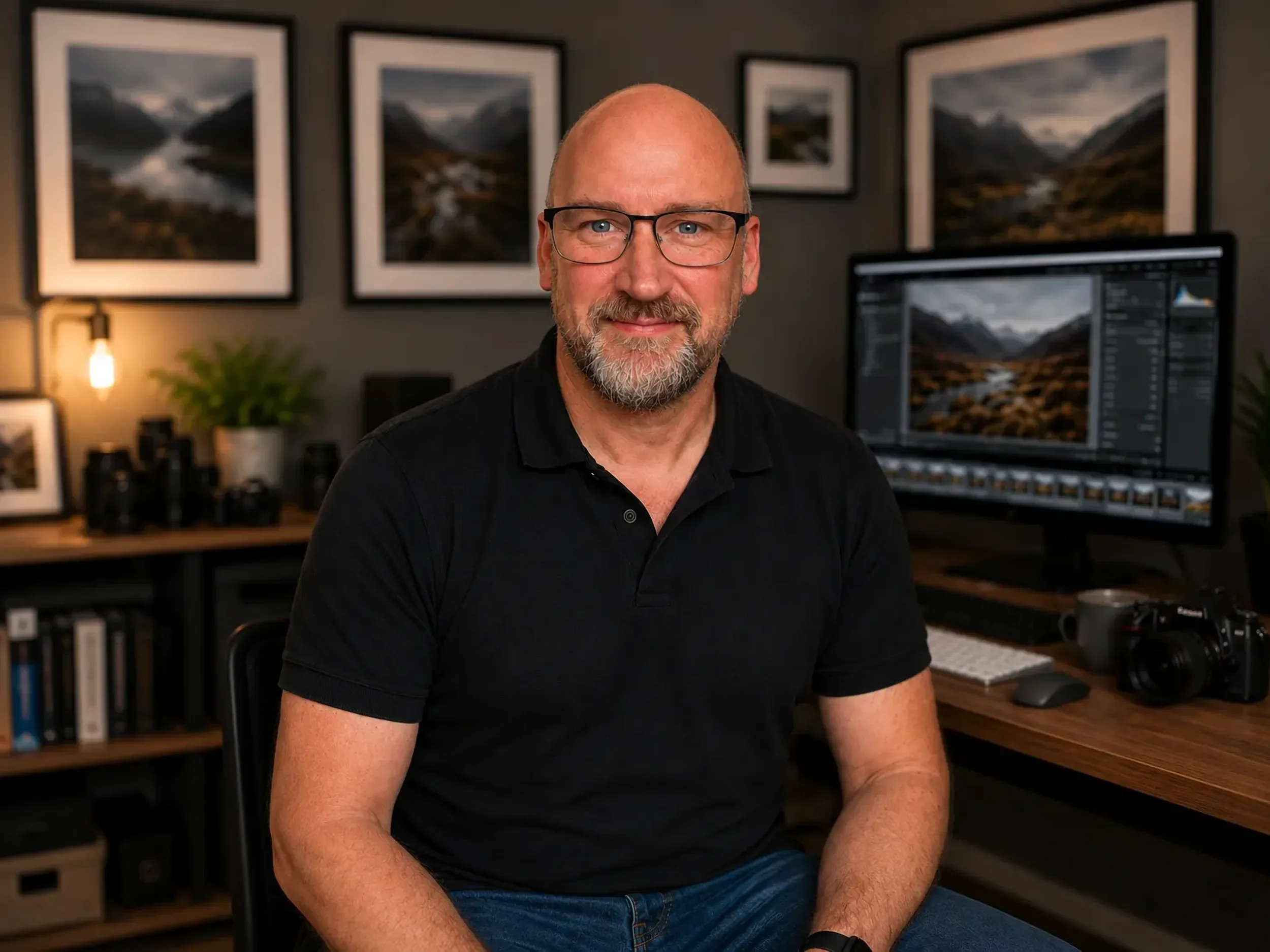

Meet the photographer
offering inspiration.
Introducing Stephen Ball, a multi-award-winning Scottish landscape photographer renowned for capturing the wild beauty of Scotland. His striking images showcase dramatic light, breathtaking scenery, and fleeting moments shaped by years of dedication in the field. Through his photography, Stephen invites you to experience Scotland’s landscapes in their most inspiring and timeless form.
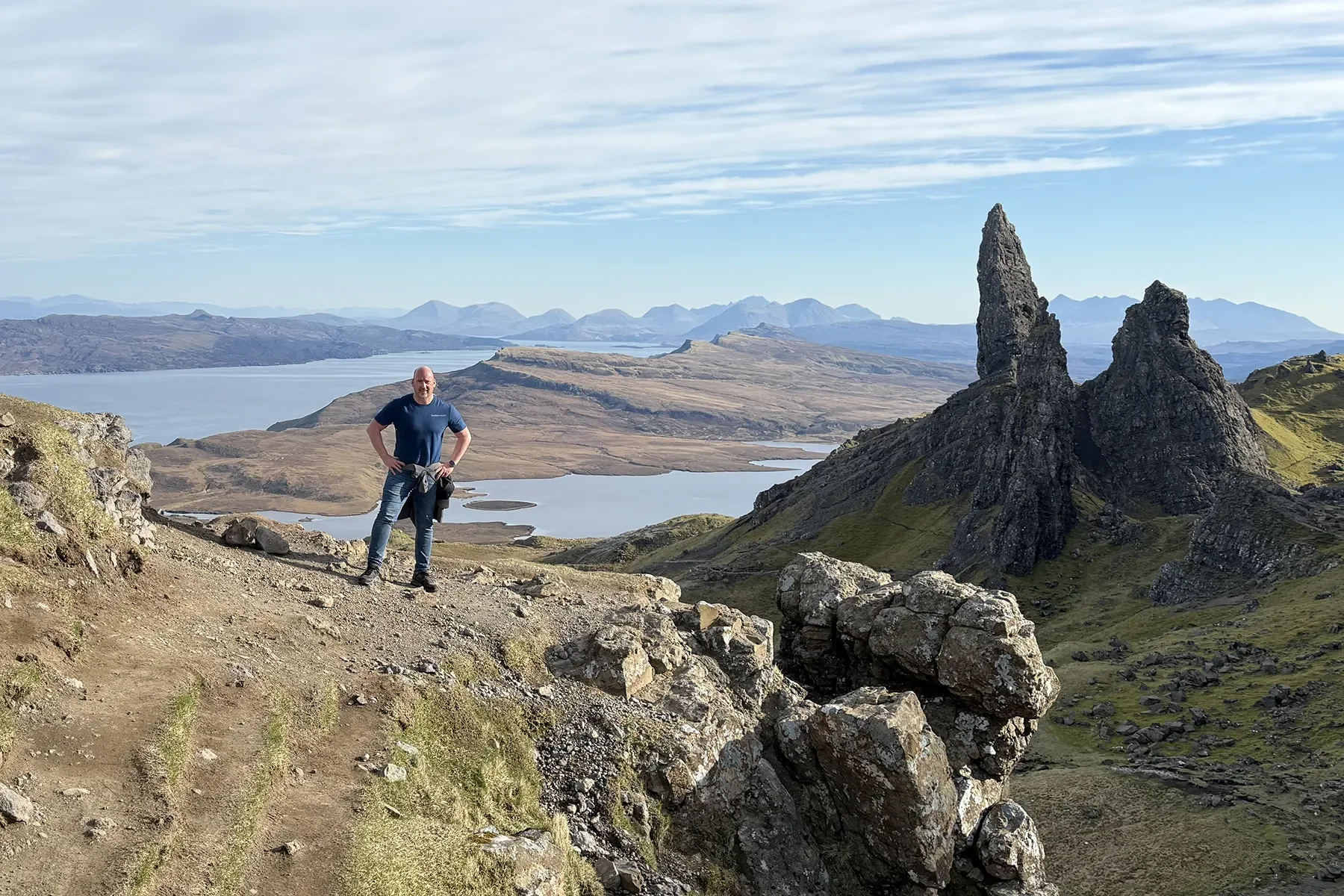
About Stephen.
Stephen is widely recognised for his exceptional talent and artistic vision. With a career spanning over 12 years, Stephen has established himself as one of Scotland’s most respected and influential photographers, with a body of work that captures the stunning natural beauty Scotland has to offer.
What sets Stephen’s work apart is his ability to capture the essence of Scotland’s landscapes in a way that is both timeless and contemporary, blending traditional techniques with modern technology to create images that are both breathtaking and thought-provoking. His photographs are characterised by their rich, moody colours, dramatic lighting, and powerful compositions, which combine to create a sense of depth and emotion.
Where it all started.
Stephen was born and raised in southeast London. As a youth, he developed an interest in theatre lighting design and, after studying at Croydon College, graduated to work in the British theatre industry. He worked for many years as both a designer and technician in London’s West End, contributing to many musical productions. In the late ’90s, Stephen moved to Edinburgh and, although he has since changed careers, this experience of design and creativity has helped him develop his skills as a photographer.
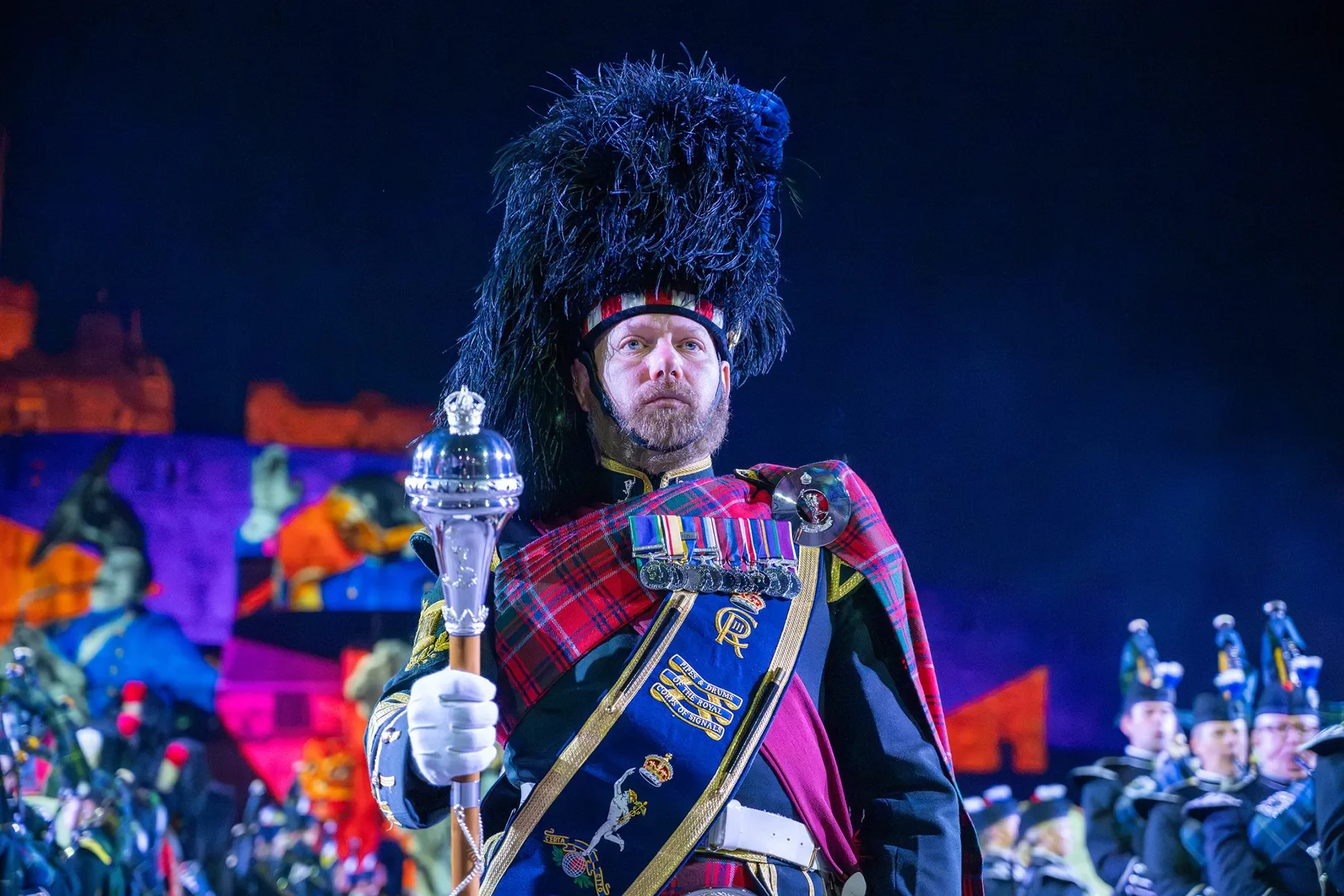
He often reflects on his time working in the theatre industry when he photographs the Royal Edinburgh Military Tattoo each year.
Stephen can always remember having an interest in photography and, as a teenager, visited iconic locations such as Yosemite National Park in the US. However, this was before the introduction of digital photography. Today, it is much more affordable to take and process hundreds of photographs.
Photography also runs in the family, with his wife having previously managed a photographic shop in Edinburgh and his late father-in-law being a Canon sales representative and lecturer.
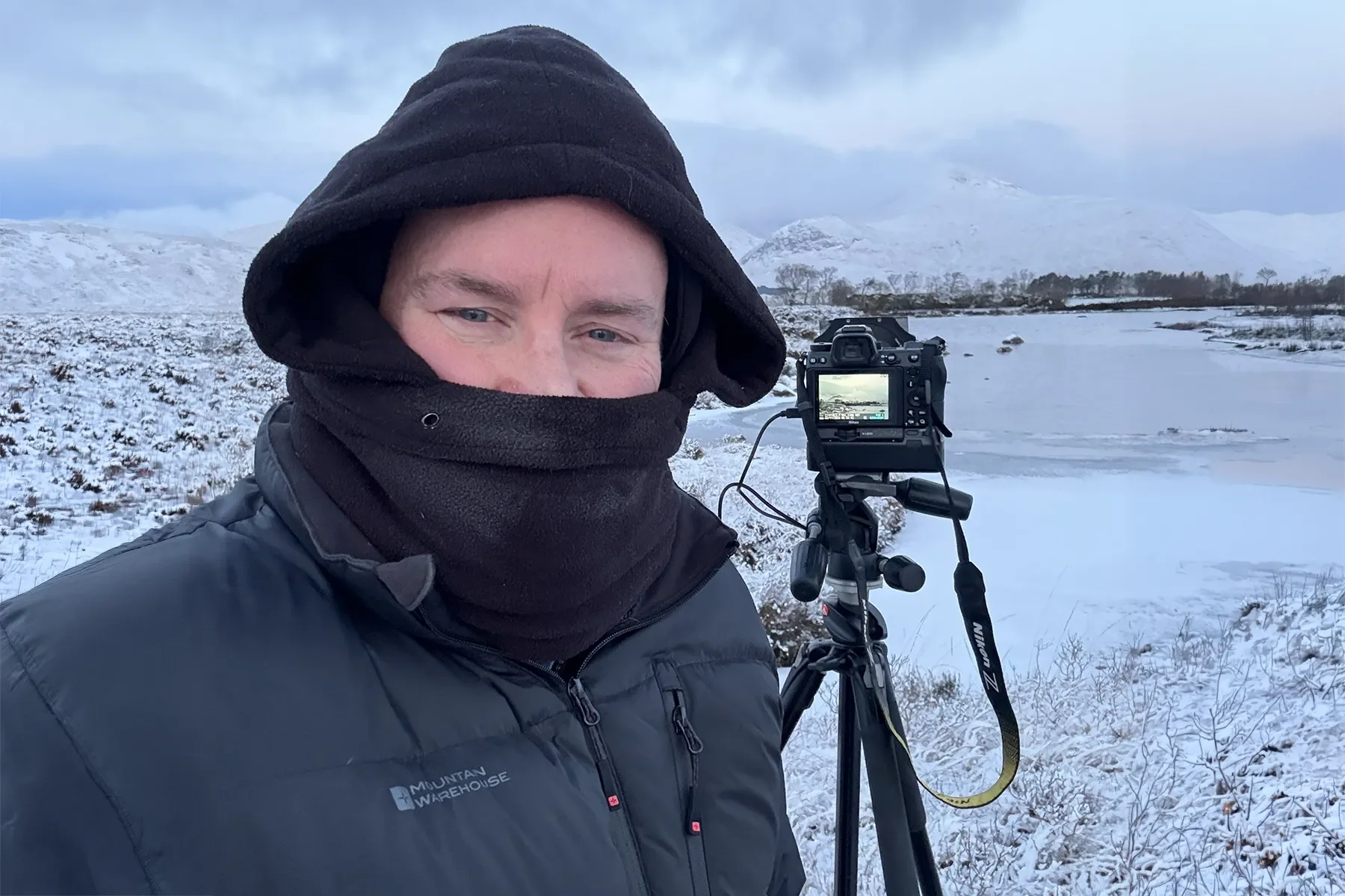
His approach.
Stephen’s approach to photography is simple: get it right in camera first and don’t rely on computer software to make improvements. Gone are the days when he used to take hundreds of photographs in the hope of producing some good images. Now, it is about having the patience to wait for the light, creating that vital composition, and trying to produce an inspirational image.
He always shoots in manual mode to ensure he maximises the features of his camera and captures what he sees.
The vast majority of his work is edited in Adobe Lightroom, where images are lightly edited through cropping, adding a touch of saturation, and sharpening. He sometimes uses Adobe Photoshop to make final adjustments and tweaks to produce the finished image.
Digital cameras have a different tonal range to that of film emulsion. The curves adjustment can add more depth to an image through enhancing blacks or, occasionally, recovering some highlight information. Used correctly, the curves adjustment can help balance colours and remove colour casts.
Wedding & Event photography
Stephen Ball also has a passion for wedding and event photography. For more information, please visit our sister website, Stephen Ball Photography.